Recruiters and hiring managers spend, on average, well under a minute on an initial resume scan — often closer to six or seven seconds before deciding whether a document earns a second, closer look. This is an uncomfortable reality for candidates who spend hours crafting a resume, but understanding it completely changes how a resume should be written. A resume is not a comprehensive record of your career. It is a six-second advertisement competing against dozens of other six-second advertisements for the same attention.
Nobody reads a resume the way you wrote it. They scan it the way a tired person scans a crowded shelf, looking for the one thing that stands out enough to stop and examine closer.
Why Most Resumes Fail Before They Are Even Read
The majority of resumes fail not because the candidate is unqualified, but because the document itself creates friction that prevents a qualified candidate from being recognized as qualified. Dense paragraphs where bullet points should be. Vague responsibility statements instead of concrete achievements. Formatting so cluttered that the eye cannot find the information that matters. Generic objective statements that say nothing a hiring manager could not have already assumed.
The fix for almost all of these failures is the same underlying principle: optimize ruthlessly for the six-second scan, not for the eventual close reading that only happens if the six-second scan succeeds.
The Achievement-Based Bullet Point Formula
The single highest-leverage change most candidates can make to their resume is converting responsibility statements into achievement statements. A responsibility statement describes what you were supposed to do. An achievement statement describes what you actually accomplished, with a measurable result attached wherever possible.
A weak bullet point reads: "Responsible for managing social media accounts." A strong bullet point reads: "Grew social media engagement by 340% over eight months by rebuilding the content strategy around short-form video, resulting in a 60% increase in inbound leads."
The difference is not length or vocabulary — it is specificity and measurable outcome. Every bullet point on a resume should, wherever the underlying work allows it, follow a simple structure: the action you took, the specific approach or method, and the measurable result that followed.
Quantify wherever genuinely possible — percentages, dollar amounts, time saved, people managed, scale of the project — since numbers are what the scanning eye catches first - If a role genuinely had no easily quantifiable output, describe the scope and complexity of the work concretely instead of resorting to vague responsibility language - Lead each bullet point with a strong action verb rather than a passive phrase like "was responsible for" or "helped with"
Tailoring Without Starting From Scratch Every Time
One of the most common pieces of resume advice — tailor your resume for every single application — is correct in principle but frequently misunderstood in practice. Tailoring does not mean rewriting the entire document for each application. It means maintaining a comprehensive master resume containing every achievement, project, and skill you have accumulated, and then selecting and reordering the most relevant subset of that master document for each specific application.
Read the job description carefully and identify the three or four qualifications or responsibilities that appear most central to the role. Ensure your resume's most prominent bullet points directly speak to those specific priorities, even if it means moving a less relevant but still impressive achievement further down the page. This targeted approach takes minutes per application once the master resume exists, not hours.
The Applicant Tracking System Reality Most Candidates Misunderstand
Many candidates believe Applicant Tracking Systems automatically reject resumes that do not contain exact keyword matches, leading to resumes stuffed unnaturally with keywords in ways that read poorly to an actual human. The reality is more nuanced. Modern ATS platforms primarily organize and surface resumes for human reviewers rather than making fully automated rejection decisions in most cases, though keyword relevance does affect ranking and searchability.
The practical response is not keyword stuffing but genuine alignment — using the same terminology the job posting uses for your relevant skills and experience, expressed naturally within real achievement statements, rather than inserting an unnatural list of keywords at the bottom of the page.
Cover Letters: When They Matter and How to Write Ones That Get Read
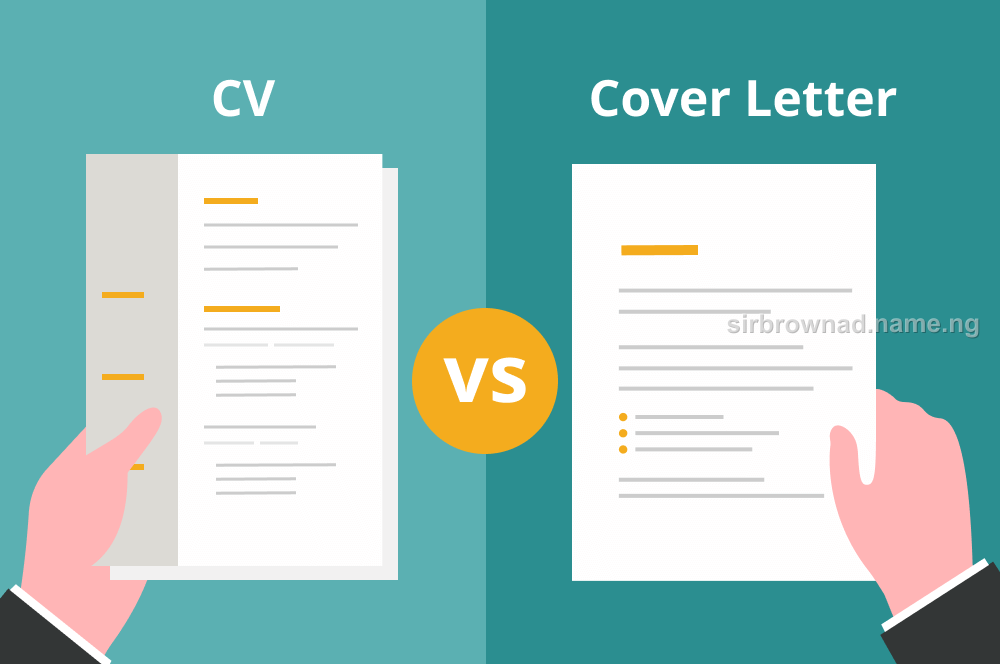
Cover letters are frequently treated as an optional formality, restated resume content, or skipped entirely. All three approaches waste the genuine opportunity a cover letter represents — the chance to provide context, narrative, and personality that a resume's bullet-point format cannot convey.
A cover letter that gets read does not restate what is already on the resume. It answers three questions the resume cannot fully answer on its own: why this specific company and role, specifically, rather than a generic similar role elsewhere. What is the story or through-line connecting your experience to this specific opportunity, especially if your background is not an obvious, linear fit. What do you understand about this company's actual challenges or goals that demonstrates genuine research rather than a mass-application approach.
A cover letter should read like it could only have been written for this exact role at this exact company. If it could be sent to ten different companies with only the company name changed, it is not doing its job.
Keep cover letters to three to four tight paragraphs. Open with genuine, specific interest rather than a generic greeting. Close with a clear, confident statement of interest rather than an apologetic or overly formal sign-off.
The Formatting Decisions That Actually Matter
Resume formatting debates often focus on aesthetic preferences that matter far less than candidates believe. What genuinely matters is scannability and compatibility.
Use a clean, single-column layout for maximum compatibility across different ATS platforms and human readers alike — heavily designed multi-column resumes frequently parse incorrectly in automated systems. Keep the resume to one page for most early and mid-career candidates, and no more than two pages even for extensive senior careers, since length beyond this rarely gets fully read. Use consistent, generous white space rather than cramming content to fit, since a cluttered page actively resists the six-second scan. Choose a clean, professional font at a readable size rather than shrinking text to fit more content.
The Skills Section Most Candidates Get Wrong
A skills section listing dozens of generic terms like "communication," "teamwork," and "Microsoft Office" provides almost no useful signal to a hiring manager, because it fails to differentiate the candidate from anyone else applying. A genuinely useful skills section is specific, current, and honestly calibrated to actual proficiency.
List specific tools, technologies, methodologies, or certifications relevant to the target role, rather than broad soft-skill claims that are better demonstrated through achievement bullet points elsewhere in the resume. Be honest about proficiency level, since claiming expert-level skill in something you can only use at a basic level creates a dangerous mismatch that surfaces quickly in an interview or on the job itself.
Common Resume Mistakes That Quietly Eliminate Strong Candidates
Beyond the structural issues already discussed, several smaller mistakes consistently and unnecessarily eliminate qualified candidates from consideration.
Typos and grammatical errors signal a lack of attention to detail disproportionately harshly, because a resume is the one document a candidate has complete control over and unlimited time to review before submission. Proofread carefully, and have someone else review it as well, since errors are notoriously difficult to catch in your own writing.
Unexplained gaps in employment history, left completely unaddressed, invite the reader to assume the worst explanation rather than the true one. A brief, honest, matter-of-fact explanation — whether in the resume itself or the accompanying cover letter — closes this gap far better than silence does.
Outdated or irrelevant early-career experience taking up valuable space that could showcase more recent, more relevant achievements. As a career progresses, older and less relevant roles should be condensed or removed entirely to make room for what actually matters to the current application.
Conclusion
A resume and cover letter are not comprehensive autobiographies — they are precisely targeted documents designed to survive a brutally short initial scan and earn the right to a genuine, closer read. Every design and content decision should be evaluated against that six-second reality. Candidates who understand this constraint and write specifically for it consistently outperform equally or even more qualified candidates who write generic, unfocused documents and hope the reader will do the work of finding the value buried inside them.
Get new Career & Interviews alerts
One email when a new career & interviews article like this one goes live. No spam, unsubscribe anytime.