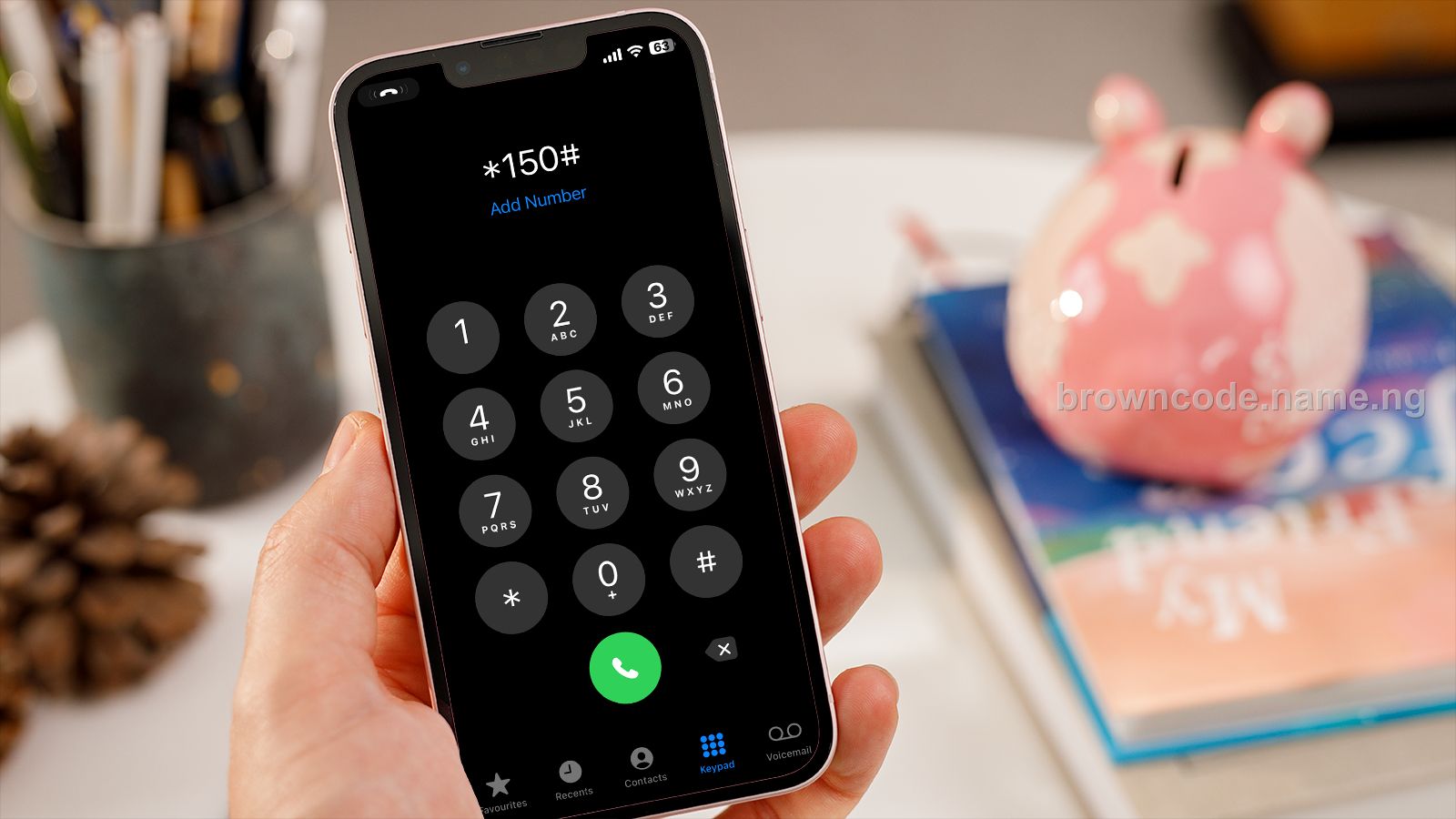
Most people think of their phone number as a simple contact detail. In reality, your phone number has become one of the most powerful keys to your entire digital and financial life. It is linked to your bank account, your email, your social media, your investment apps, and your identity verification systems. Losing control of it — even temporarily — can give criminals access to everything.
Your phone number is not just how people call you. It is the master key to your financial identity. Treat it accordingly.
What SIM Swapping Actually Is
SIM swapping is a fraud technique where a criminal contacts your mobile network provider, pretends to be you, and convinces them to transfer your phone number to a new SIM card under their control. Once successful, every call and SMS meant for you — including all your bank one-time passwords — goes directly to the fraudster's phone instead.
The information needed to convince a mobile network agent is often minimal: your name, your ID number, and sometimes just the last few numbers you called. Much of this information is publicly available or previously leaked in data breaches.
How Quickly Damage Can Happen
Once a SIM swap is complete, a criminal can:
Trigger password resets on your email account using your phone number - Reset your internet banking password and gain full access - Authorize large transfers using OTPs sent to your now-compromised number - Lock you out of all accounts simultaneously before you realize anything is wrong
The entire process from SIM swap to account drainage has been documented happening in under fifteen minutes.
Protecting Your Phone Number
Contact your mobile network and request a SIM swap lock or port freeze on your account - Ask your network to require in-person ID verification before any SIM changes are processed - Switch from SMS-based two-factor authentication to an authenticator app like Google Authenticator - Never publicly share your phone number on social media profiles or public directories
What to Do If You Suspect a SIM Swap
If your phone suddenly loses all network signal for no clear reason, treat it as an emergency.
Immediately call your bank from another phone and freeze all accounts - Contact your mobile network's fraud department and report a suspected SIM swap - Change passwords on your email and all financial accounts from a different device
Conclusion
Your phone number is more valuable to a criminal than your bank card. Securing it is not optional in the modern fraud environment — it is one of the most important financial protection steps you can take today.
Get new Security & Fraud alerts
One email when a new security & fraud article like this one goes live. No spam, unsubscribe anytime.