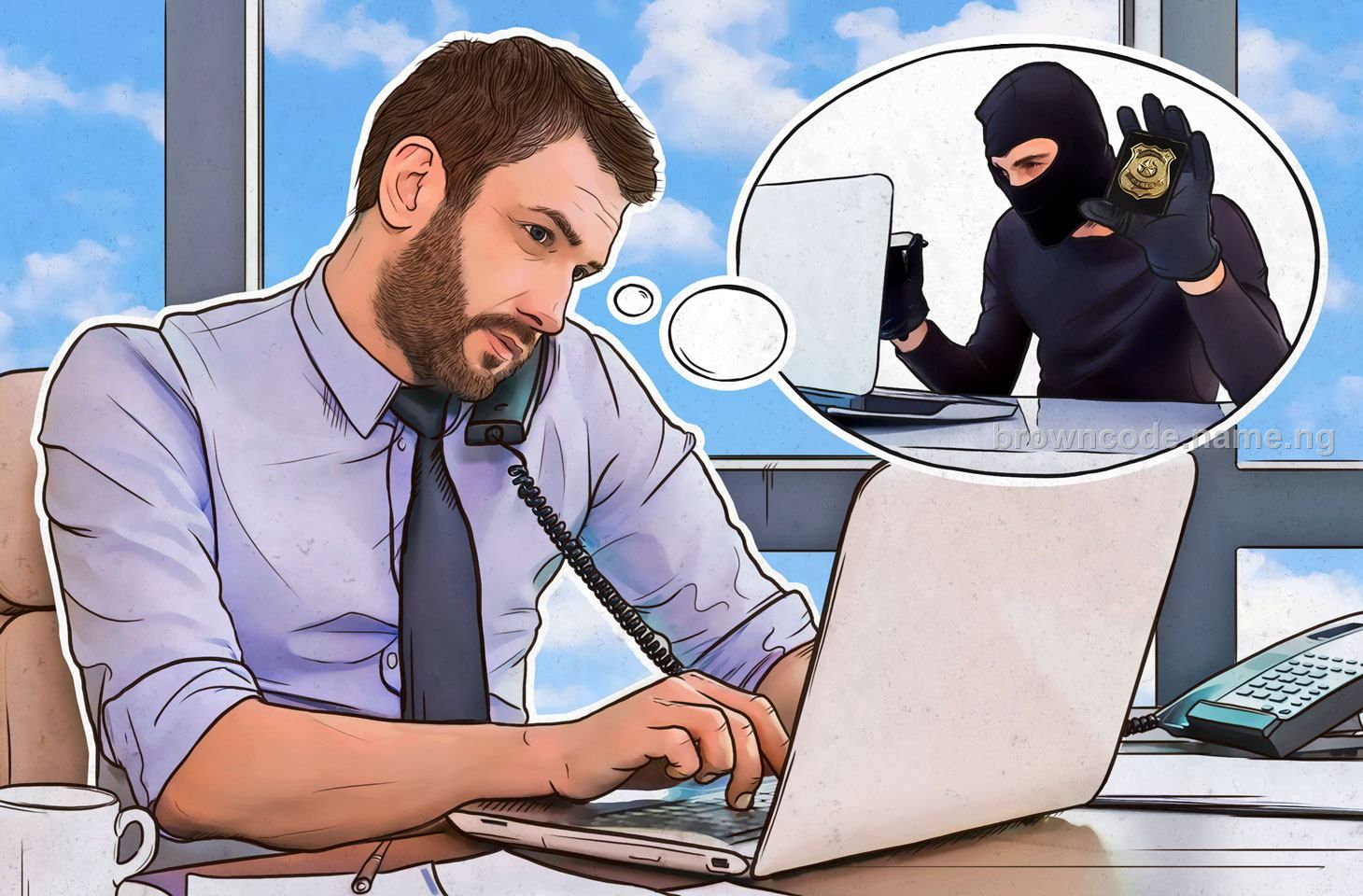
Most people believe their money is only at risk when they click a suspicious link or hand over their card. The truth is far more dangerous. Modern fraudsters have developed techniques so sophisticated that they can drain your account without ever making direct contact with your device. Understanding how they operate is the first step to protecting everything you have worked for.
The most dangerous fraud is the kind you never see coming. By the time you realize something is wrong, the money is already gone.
How Social Engineering Actually Works
The most common method used today is called social engineering. This is not a technical hack — it is a psychological one. A fraudster calls you pretending to be your bank, a government agency, or a delivery company. They already know your name, your bank name, and sometimes even the last four digits of your card. This information comes from data leaked from websites you signed up to years ago.
Once they have your trust, they ask for one small piece of information. A one-time password. A PIN confirmation. An account verification code. That single detail is all they need to move your money out completely.
The Data Leak Pipeline
Your personal information does not disappear after a company gets hacked. It gets sold on underground markets and passed between criminal networks for years. Every time you sign up for a free app, enter a competition online, or use the same email and password across multiple platforms, you add more fuel to this pipeline.
Never share OTP codes with anyone, including people claiming to be your bank - Use unique passwords for every financial account - Enable transaction alerts on your bank account immediately - Register your number on your bank's fraud alert system
What to Do If You Suspect an Attack
If you receive a suspicious call, hang up immediately and call your bank directly using the number on the back of your card. Never call back a number the caller gives you. Report the incident to your bank's fraud team within minutes — the faster you act, the higher the chance of recovering your funds.
Conclusion
Fraudsters do not need your phone. They need your trust. Protecting your bank details starts with understanding that no legitimate bank will ever call you asking for your PIN, password, or one-time code. When in doubt, hang up and verify.
Get new Security & Fraud alerts
One email when a new security & fraud article like this one goes live. No spam, unsubscribe anytime.