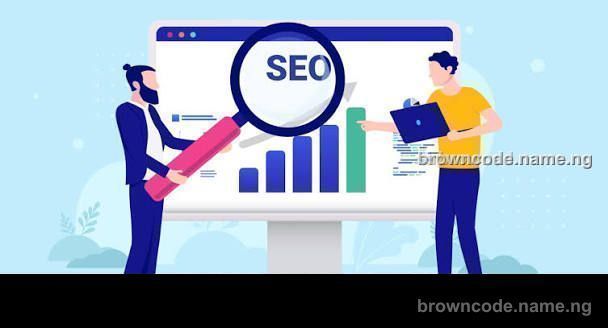
Having a beautiful website means nothing if no one can find it. Search Engine Optimization — commonly known as SEO — is the process of improving your website so search engines like Google can understand it, trust it, and recommend it to the people already searching for what you offer. Good SEO brings long-term traffic, visibility, and new opportunities without spending a single dollar on ads.
The best marketing strategy is showing up when someone already wants what you offer. That is exactly what SEO does.
What SEO Really Means
SEO is not a trick or a hack. It simply helps search engines understand the value of your content. When your pages are well-structured, informative, and useful, Google ranks them higher. This means more people can discover your business, portfolio, or brand through natural search — people who were already looking for something you provide.
Understanding this changes how you approach your entire website. Every page, every article, and every image becomes an opportunity to communicate value to both users and search engines.
On-Page SEO: Starting With the Basics
On-page SEO focuses on everything within your website. It includes your titles, descriptions, headings, paragraphs, images, and internal links. Before writing anything, start with keyword research. Keywords are the terms people actually type into Google. Phrases like "web developer in Nigeria", "affordable website design in Abuja", or "how to build a portfolio" are all keywords with real search demand.
Identify the ones relevant to your industry and place them naturally in your content. Your page titles should be clear and descriptive. Your meta description — although not visible on the page itself — helps Google understand what your page is about and encourages users to click when they see it in results. These small elements play a major role in your visibility.
Building a Content Strategy That Works
Search engines reward websites that provide genuinely valuable information. Publishing articles, tutorials, case studies, and guides helps you build authority over time. The more useful your content is, the more likely people will share it, link to it, or reference it — all of which strengthen your ranking.
Consistency matters more than volume. Even one article per week or one detailed guide per month can dramatically transform your website's performance. Focus on solving real problems people in your industry face. When users spend more time reading your content, Google interprets that as a signal that your site is worth recommending.
Content is not just about writing. It is about answering the exact questions your audience is already asking.
Technical SEO: The Foundation Beneath Everything
Technical SEO deals with the backend of your website. It ensures your site performs smoothly, loads quickly, and is easy for search engines to crawl. Fast loading speed is critical — users abandon slow websites within seconds, and Google penalizes them in rankings.
Make sure your images are compressed, your code is clean, and unnecessary plugins or scripts are removed. Your website must also be fully mobile-friendly. More than half of all global web traffic comes from mobile devices, and Google now ranks mobile performance above desktop when deciding where you appear.
Use clean, descriptive URLs. Instead of long confusing links full of symbols and numbers, keep them short, readable and Simple, structured navigation ensures both users and search engines can explore your site without confusion.
Link Building: Earning Trust From Other Sites
Links are one of the strongest ranking signals in Google's algorithm. When reputable websites link to your content, it tells search engines that your website is trustworthy and authoritative. This is why guest posting, collaborations, and actively sharing your work online are essential strategies. Quality backlinks carry far more weight than a large number of low-quality ones.
Internal links matter just as much. Linking your articles and pages to each other helps visitors explore your site more deeply, and it helps search engines understand the full structure of what you have built.
Images, Alt Text, and the Details That Add Up
Images improve the reading experience and keep users engaged longer. Use relevant, high-quality visuals — analytics dashboards, people working, clean illustrations — and add descriptive alt text to every image. Alt text helps Google understand what each picture represents, which contributes to your overall page relevance.
These small details compound over time. A well-optimized image, a properly structured heading, a descriptive URL — none of them alone makes a massive difference, but together they build a site that search engines consistently trust and reward.
SEO IS NOT ABOUT GAMING GOOGLE. IT IS ABOUT BEING GENUINELY WORTH FINDING.
Patience and the Long-Term Payoff
SEO is not an overnight strategy. It typically takes three to six months before you begin seeing strong results — but the long-term benefits are powerful and compounding. Once your pages begin ranking, they bring consistent traffic without any ongoing cost.
Many successful businesses rely on SEO instead of paid ads precisely because organic traffic is more stable and cost-effective. The more you update your website, publish valuable content, and refine your structure, the stronger your results become over time.
Conclusion
SEO is one of the most important skills to develop in the digital age. It helps you get discovered, builds credibility, and ensures your website continues to grow in reach and impact. Whether you are a developer, a business owner, a freelancer, or a creator, investing in SEO gives your online presence a competitive foundation that pays dividends for years.
Platforms like browncode.name.ng are built with SEO in mind from day one — because visibility is not an afterthought. It is the strategy.
Get new Marketing & SEO alerts
One email when a new marketing & seo article like this one goes live. No spam, unsubscribe anytime.